News · 19 September 2026
Acne Scarring Treatments in 2026: Regenerative Options Explained
This article explores what is genuinely new for acne scarring in 2026, focusing on regenerative, clinic-led combinations rather than single quick fixes. It explains how polynucleotides, exosome-supported skincare, advanced skin boosters, microneedling, and fractional laser can be staged for different scar types and skin tones, what level of improvement to expect, and how medically overseen plans support safer, longer-lasting results.
**What’s new for acne scarring in 2026? Regenerative options to know**
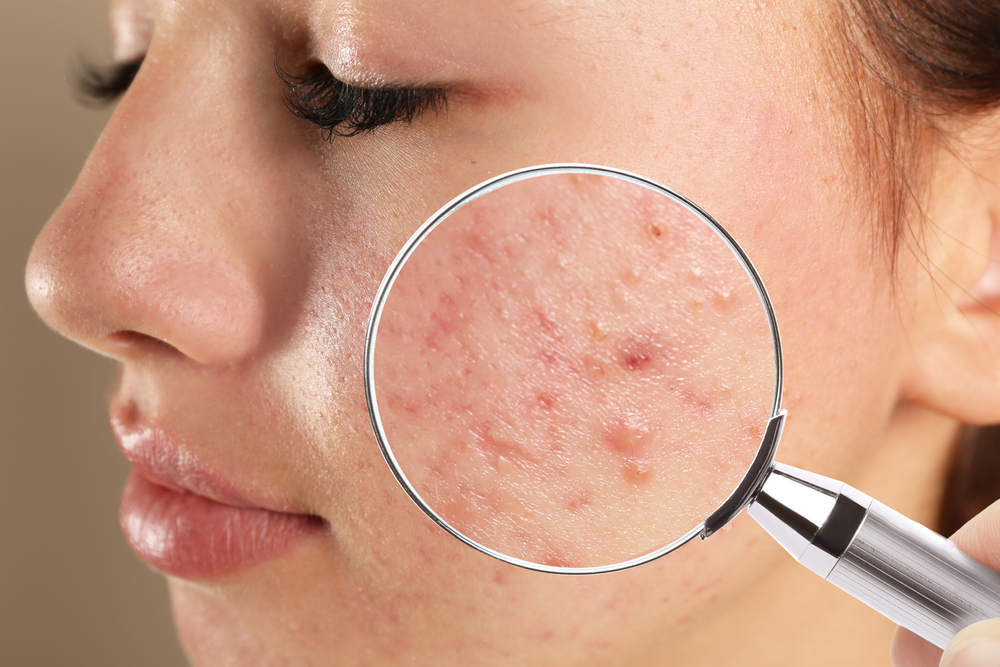
Acne scars rarely respond to a single quick fix. The most reliable gains come from steady collagen remodelling, careful resurfacing, and nurturing the skin’s own repair biology. In 2026, the most interesting progress is not a single device, but clinic-led regenerative protocols that layer proven steps for safer, more predictable change.
At Dr Lord Group in Leigh, plans are bespoke and medically overseen by Dr Keiron Lord, NHS Surgeon and Clinical Associate Professor. The goal is straightforward, healthier tissue and smoother texture with natural-looking results, using evidence-based combinations rather than hype.
Below, we outline what is genuinely new or newly refined, how these options work, who may benefit, realistic outcomes, and how we stage plans for different scar types and skin tones. What is actually new in 2026? Several developments stand out because they support skin biology while improving texture.
Polynucleotides: These regenerative injectables support cellular repair, improve hydration, and stimulate fibroblasts to produce collagen and elastin. In clinical practice, they often enhance tolerance to resurfacing and speed recovery, making staged courses more efficient for atrophic scars.
Exosome-supported skincare: Physician-selected exosomes and PDRN (polydeoxyribonucleotide) in clinic and at-home regimens aim to modulate inflammation, nudge repair pathways, and improve post-procedure recovery. Early data is encouraging, but products and protocols vary, so medical curation matters.
Advanced skin boosters for scarring: Newer hyaluronic-acid-based and peptide-rich boosters focus on dermal quality, not just glow. When scheduled between microneedling or laser sessions, they can improve elasticity and texture while keeping downtime reasonable.
Staged combination protocols: Rather than one-off treatment days, 2026 plans sequence light chemical peels, microneedling, and fractional laser with red light therapy and regenerative injectables. This reduces risk, respects different scar morphologies, and accumulates improvements over 3 to 9 months. The rationale: collagen stimulation and tissue repair Acne scars are dermal architecture problems. Collagen is disorganised, tethered, or thinned. Effective care must:
Remodel scar collagen by triggering controlled injury with either needles or fractional energy. Support cellular repair so new collagen is stronger, more regular, and better aligned. Manage inflammation to protect pigment stability and barrier function, especially in darker skin tones.
Microneedling creates precise micro-channels to stimulate collagen without significant heat. Fractional laser adds thermal remodelling for moderate to severe texture. Polynucleotides and exosome-supported care help the dermis build back better, while skin boosters improve hydration and elasticity so results look and feel more natural.
For patients near Leigh, our microneedling with epidermal renewal pathway is designed to combine professional exfoliation and medical microneedling for collagen remodelling and epidermal refinement. Explore how we plan microneedling for acne scarring in Leigh via our services page. Who may benefit most Rolling and shallow boxcar scars: Often respond well to a microneedling-led plan, upgraded with polynucleotides and staged peels. Expect gradual smoothing.
Mixed scarring with redness or pigmentation: Prefer a slower, pigment-safe sequence. LED red light and barrier support reduce reactivity.
Tethered scars: Usually need subcision first, then microneedling or fractional laser to consolidate gains.
Ice pick scars: Hardest to treat and may require focal chemical reconstruction (for example targeted TCA), then broader resurfacing.
Skin tone and sensitivity guide how much heat we use. Microneedling-based courses remain versatile across a wide range of skin tones, with fractional erbium or CO2 added where appropriate after doctor-led assessment. Evidence and expectations Microneedling: Well established for atrophic scars with typical improvements of 20 to 40 percent over 3 to 6 sessions. Redness and warmth usually settle in 24 to 72 hours, with mild flaking.
Fractional laser: Often 30 to 60 percent improvement over 1 to 3 sessions when matched to the right scars and skin type. Downtime is longer, and pigment risk must be managed.
Polynucleotides and exosomes: Growing clinical experience and supportive studies suggest improved skin quality, hydration, and recovery, plus a positive effect on collagen remodelling. Outcomes vary by product, dosing, and plan design, so medical oversight is important.
We set realistic targets, usually progressive smoothing rather than erasing every scar. Combination therapy generally outperforms a single modality, provided each step is timed for safety and synergy. How we stage a regenerative plan A typical pathway lasts 3 to 9 months and may include:
Preparation: Barrier repair, Vitamin C in the morning, daily broad-spectrum zinc-based SPF.
Collagen induction blocks: Courses of microneedling spaced 4 to 6 weeks apart, with red light therapy for recovery.
Texture refinement: Gentle chemical peels for epidermal turnover, sometimes scheduled between needling sessions.
Focal work: Subcision for tethered scars; targeted chemical reconstruction for ice pick scars.
Regenerative support: Polynucleotides or advanced skin boosters interleaved to enhance dermal quality and healing.
Optional fractional laser: Selected for deeper boxcar or mixed scarring once the skin is stable and pigment-safe.
If you are considering a structured reset that blends peels and microneedling with medical oversight, learn more about our skin rejuvenation microneedling treatment in Leigh on our services page. Dr Lord Group’s approach Every plan is bespoke, evidence-based, and overseen by Dr Keiron Lord. Our team is hand-picked and trained to medical standards, with a calm consultation process and no pressure to proceed. Patients often begin with a complimentary face-to-face or video consultation to discuss scar type, skin tone, downtime tolerance, and treatment goals.
If you prefer a surgeon-led assessment framework close to Croft, explore our doctor-led skin clinic in Croft to understand how medical oversight shapes safer, more effective plans. FAQs What is the new treatment for acne scarring in 2026? There is no single magic treatment. The step-change is in regenerative, clinic-led combinations: polynucleotides, exosome-supported regimens, advanced skin boosters, and staged protocols that combine peels, microneedling, and selective fractional laser with red light therapy.
Does microneedling permanently fix acne scars? Microneedling stimulates new collagen and can produce long-lasting improvement, but it does not usually erase scars completely. Results are typically durable if you protect your skin from UV and maintain skin health. Some patients choose periodic maintenance.
How long does collagen induction last? New collagen forms over months and can persist for years. The visible effect typically builds for 3 to 6 months after a course, then stabilises. Age, skin biology, sun exposure, and ongoing care influence longevity. What to expect at consultation We map your scar types, review your medical history, and design a phased plan that balances improvement with pigment safety and downtime. We explain likely ranges of change based on evidence and your skin, not best-case headlines. You receive precise aftercare, including a protective routine for the first week after procedures.
If you are unsure whether microneedling, a peel, polynucleotides, or staged laser best suits your scars, book a free consultation in Leigh to discuss options one to one with our team. You can also start with a quick enquiry if you are exploring a consultation for anti-wrinkle injections in Leigh as part of a broader skin plan and want to coordinate timings. Summary and next step In 2026, progress in acne scarring care is regenerative and staged. Polynucleotides, exosome-supported skincare, modern skin boosters, and structured sequences of peels, microneedling, and targeted laser help the dermis rebuild stronger, smoother tissue. Results are typically incremental and durable, with the best outcomes from bespoke, medically overseen plans.
Ready to explore your options? Book your free consultation in Leigh and let our team build a personalised, evidence-based pathway overseen by Dr Keiron Lord.