News · 21 October 2026
Chemical peels explained: brighten, smooth, and reset your skin safely
Discover how chemical peels can improve dull skin, pigmentation, acne marks and uneven texture. At Dr Lord Group in Leigh, we offer personalised, medically supervised chemical peel treatments designed for brighter, smoother, healthier-looking skin. Explore the benefits, recovery times, expected results and how chemical peels can be combined with microneedling and laser treatments for long-term skin rejuvenation.
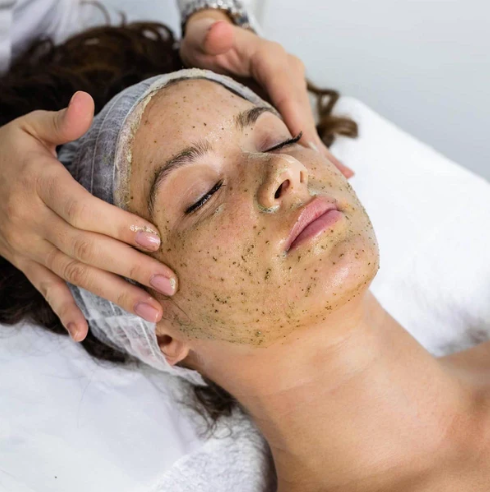
Chemical peels sound intense, but in skilled medical hands they are one of the most reliable ways to refresh dull, uneven skin and help pigmentation, acne marks, and rough texture. If you want a clearer, brighter, more refined complexion without looking overdone, a peel can be a precise, doctor-supervised reset.
At Dr Lord Group in Leigh, every peel sits within a personalised, evidence-based plan overseen by NHS Surgeon and Clinical Associate Professor Dr Keiron Lord. Safety, skin health, and natural-looking results come first, with clear guidance on what to expect at each stage.
This plain-English guide covers what a peel does, peel depths, conditions treated, healing timelines, how many sessions you may need, and when we pair peels with microneedling or laser. You will also find practical aftercare, realistic results, and a balanced UK-focused view on value.
What a chemical peel actually does:
A chemical peel uses a medical solution to lift away the outermost layers of the skin in a controlled manner. This prompts faster cell turnover, unclogs pores, refines texture, and can fade surface pigment. Deeper peels reach the mid-dermis, stimulating collagen for firmer, smoother skin.
Common acids and agents include glycolic, lactic, salicylic, mandelic, and trichloroacetic acid (TCA). Your clinician selects type and strength based on skin tone, sensitivity, and goals.
In practical terms, most patients notice:
Brighter, more even tone Smoother texture and softer fine lines Reduced appearance of dark marks from acne or sun exposure
Peel depths and who they suit:
Superficial peels: Work in the epidermis. Best for dullness, congestion, early pigmentation, and a gentle refresh. Minimal downtime. Medium-depth peels: Reach into the upper dermis. Useful for acne marks, sun damage, uneven tone, and etched fine lines. Expect visible peeling. Deep peels: Penetrate further into the dermis. Reserved for advanced photoageing and significant texture change. Require specialist assessment and longer recovery, and are not right for everyone.
Your Fitzpatrick skin type, history of pigmentation, recent sun exposure, and medical background guide safe selection. A doctor-led plan is essential if you have melasma, a tendency to hyperpigment, or a history of adverse reactions.
Conditions a peel can improve:
Dullness and uneven tone after summer or winter Sun spots and superficial pigmentation Post-acne marks and residual redness Congestion, enlarged pores, rough texture, and early fine lines Some rosacea-prone skins tolerate gentle, barrier-conscious protocols when medically planned
For acne scarring with rolling or boxcar patterns, peels help the surface, but collagen-led treatments often do more for texture. We commonly plan staged combinations, for example a peel plus microneedling or fractional laser, once the skin barrier is optimised.
If your priority is collagen, explore our clinically overseen microneedling options in Leigh to understand how needling supports epidermal renewal and deeper remodelling within a personalised plan.
Healing timelines and what to expect:
Immediately to 48 hours: Pinkness or warmth. Skin can feel tight or sunburn-like. Keep skincare simple. Days 2 to 5: Light flaking for superficial peels. More visible sheet peeling for medium-depth peels. Days 5 to 10: New skin looks fresher, brighter. Residual pinkness may persist briefly. Deeper remodelling: Collagen changes build gradually over weeks to months, particularly after a course.
How long to heal depends on depth. Superficial peels often settle within 3 to 5 days. Medium-depth peels typically need 7 to 10 days for visible peeling to pass, with ongoing refinement thereafter.
How many sessions and when to combine:
Superficial peel course: Often 3 to 6 sessions, spaced 2 to 4 weeks apart, then maintenance. Medium-depth: 1 to 3 sessions, typically 6 to 12 weeks apart, depending on goals and tolerance. Combination planning: For acne scarring, mixed pigmentation, or texture change, results often improve when we stage treatments. For example, a peel to even the surface, followed by microneedling for collagen, then selective laser for targeted areas if appropriate.
Patients seeking a structured reset often choose our Skin Regeneration Programme. It combines peels with microneedling and medical skincare in a medically overseen three-month plan designed to improve tone, texture, and hydration.
Safety, aftercare, and realistic results:
When performed by trained clinicians using medical protocols, facial chemical peeling is generally safe. Key risks include temporary redness, irritation, flaking, acne flares, and in some skin types, post-inflammatory hyperpigmentation. Very rare risks include infection or scarring. Doctor-led selection of peel type, prep, and timing reduces these risks.
Aftercare essentials:
Gentle cleanser and barrier-repair moisturiser for the first week Daily broad-spectrum SPF, ideally zinc-based, and strict sun protection Pause retinoids, exfoliating acids, and scrubs until advised No picking at flaking skin or intense heat and exercise for several days
Results vary. Many patients see a visible glow after one peel, but pigment and texture concerns usually improve best over a course. Expect steady, meaningful refinement rather than instant perfection.
Is a peel worth it in the UK?:
For many UK patients, a well-chosen peel delivers strong value. Superficial and medium-depth peels are typically more affordable than laser, with minimal time off work, and they integrate neatly into seasonal skin maintenance. If you want maximum change in etched lines or deep scars, laser or a combined pathway may be more efficient. The most cost-effective approach is personalised, based on skin type, downtime tolerance, and priorities.
If acne marks are your focus, you may benefit from a targeted plan that sequences peels with collagen induction. Learn how we combine therapies for texture change and see options such as microneedling for acne scarring in Leigh within our services overview.
When we pair peels with microneedling or laser:
Peels plus microneedling: Common when tone and texture both need attention. The peel refines the surface and pigmentation, while microneedling supports collagen and pore appearance. Peels plus laser: Selected for mixed scarring, sun damage, or more advanced photoageing where targeted resurfacing is helpful. Regenerative boosters: Polynucleotides, red light therapy, and personalised skincare can support recovery and long-term results.
Combination timing is carefully staged to protect the barrier and reduce pigmentation risk, particularly in darker skin tones.
Quick FAQ:
1) Is a chemical peel good for skin? Often, yes. It supports cell turnover, brightens tone, and refines texture when correctly selected for your skin type.
2) What does a chemical peel do? It dissolves the bonds between dead cells, exfoliates in a controlled way, and can stimulate collagen in deeper protocols.
3) How long does a chemical peel take to heal? Superficial peels often settle in 3 to 5 days; medium-depth peels can take 7 to 10 days for peeling to finish, with ongoing refinement.
4) Can you see results after one peel? Many people notice a glow and smoother feel after one session, but pigment and texture typically improve over a short course.
5) Is a chemical peel worth it? For dullness, superficial pigmentation, and early texture change, peels are often an efficient, cost-conscious option in the UK. For deeper issues, consider combination planning.
6) Is chemical peeling on the face safe? When delivered by trained clinicians with medical-grade protocols and proper aftercare, it is generally safe. A consultation screens for contraindications.
Your next step:
If you are weighing a peel against microneedling or laser, start with a calm, no-pressure review of your skin and goals. Book a free consultation in Leigh for a personalised, evidence-based plan that fits your timeline and budget. If acne scarring is your main concern, ask about how we stage peels with microneedling and, where helpful, selective laser to improve both tone and texture.
Ready to plan your skin reset? Explore our services for microneedling and epidermal renewal options, then book your Leigh free consultation to meet the team and map your route to brighter, smoother, healthier-looking skin.