Skin Health · 9 August 2026
Microneedling for acne scars in the UK: results, costs, and what to expect
This guide explains how microneedling improves acne scars, what results are realistic for different scar types, and how many sessions are usually needed. You will learn about downtime, safety considerations, and how microneedling compares with chemical peels and laser resurfacing, plus typical UK costs and how Dr Lord Group structures medically overseen, bespoke treatment plans.
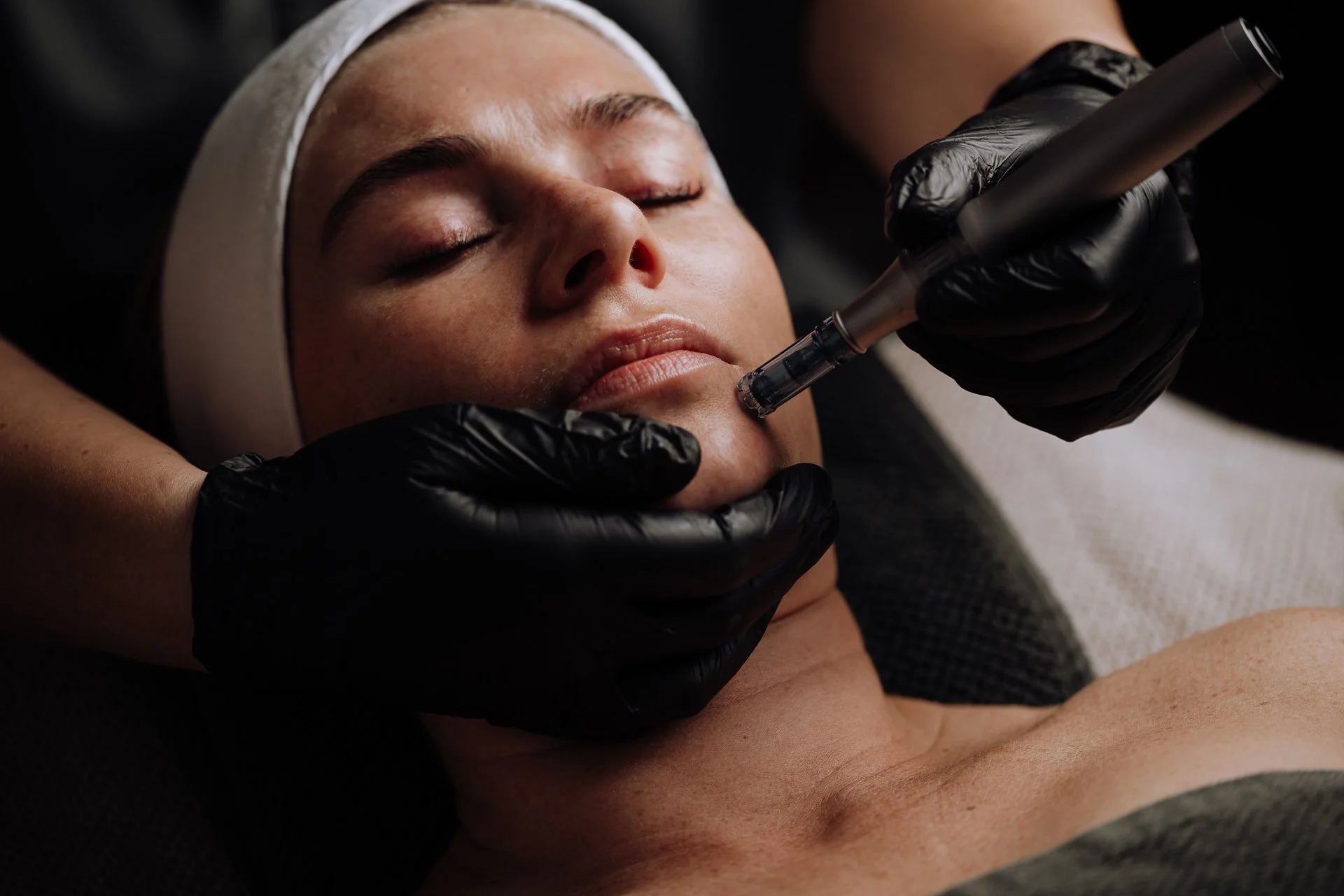
Acne scarring can linger long after breakouts settle, affecting confidence and skin texture. If you are weighing up microneedling against peels or laser, you likely want clear, honest guidance on what works, how long it takes, and what it costs in the UK.
This guide explains the science, expected results by scar type, treatment courses and downtime, plus typical UK pricing. It also outlines how Dr Lord Group delivers microneedling with epidermal renewal within a bespoke, medically overseen plan to support safer, more predictable outcomes.
How microneedling improves acne scars
Microneedling creates precise micro-channels in the skin to trigger a controlled wound-healing response. This stimulates new collagen and elastin, remodels scar tissue, and can smooth irregular texture. When delivered with clinical protocols, needle depth is adjusted by area and scar type, treatment speed and pass count are controlled, and sterility and aftercare are managed to reduce risk.
At Dr Lord Group, microneedling with epidermal renewal is paired with professional exfoliation and barrier-supportive actives to refine the epidermis while encouraging deeper collagen remodelling. Plans are overseen by Dr Keiron Lord, NHS Surgeon and Clinical Associate Professor, with treatment delivered by a hand-picked team trained to medical standards.
Scar types and realistic outcomes
Not all acne scars respond in the same way. Setting the right expectation is crucial.
- Ice pick scars: narrow, deep, V-shaped tracts. These are the most resistant to non-ablative treatments. Microneedling can soften edges and improve shadowing but often needs combination care, for example punch excision, TCA CROSS, or fractional laser for best results.
- Boxcar scars: broader depressions with defined borders. Microneedling typically delivers moderate improvement in texture and edges, often enhanced by peels or fractional resurfacing.
- Rolling scars: shallow, undulating depressions due to tethering. Microneedling can improve surface texture and firmness. Where tethering is significant, subcision or energy-based devices may be advised alongside.
Across studies and clinical practice, patients usually see gradual smoothing rather than full erasure. A common outcome is 20 to 50 percent improvement after a structured course, with combination therapy often outperforming a single modality. Pigment irregularity and redness can also settle with a well-planned regimen and photoprotection.
Course length, spacing, and downtime
Most patients need a series to see meaningful change.
- Number of sessions: typically 3 to 6 sessions for mild to moderate scarring. Advanced or mixed scarring patterns can require 6 to 8 sessions or staged combination therapy.
- Spacing: usually every 4 to 6 weeks to allow for collagen remodelling. Deeper work may be spaced at 6 to 8 weeks.
- Downtime: 24 to 72 hours of redness and warmth is common, with light flaking for several days. Make-up can usually be worn after 24 to 48 hours if the skin is intact. Exercise, heat, and active skincare are paused for a few days.
- When results show: early smoothness and glow can appear in 2 to 4 weeks, while collagen changes accumulate over 3 to 6 months.
Risks and safety considerations
Microneedling is generally well tolerated when performed with medical oversight. Potential risks include transient redness, swelling, pinpoint bleeding, dryness, acne flares, post-inflammatory hyperpigmentation, and rare infection. Correct device choice, sterile technique, appropriate needle depth for skin type, and UV protection reduce risk. Patients with active acne, keloid tendency, or certain skin conditions need tailored protocols or alternative approaches.
At Dr Lord Group, every plan is assessed for suitability, with careful management of actives, timing relative to other treatments, and aftercare to protect the skin barrier and reduce pigmentary risk.
How microneedling compares with peels and laser
- Chemical peels: medium-depth peels can refine texture and help with superficial boxcar and rolling scars, often at a lower per-session cost. They are less effective for deep ice pick scars. Peels can be excellent adjuncts between microneedling sessions to accelerate epidermal renewal.
- Fractional CO2 or erbium laser: laser resurfacing can deliver larger single-session gains for moderate to severe scarring because it ablates or coagulates tissue to drive strong remodelling. It carries more downtime and cost, and needs experienced, skin-type sensitive protocols to minimise risk, especially for higher Fitzpatrick types.
- Microneedling: lower downtime and potentially lower risk of pigment change compared with ablative laser. Best suited for mild to moderate rolling or boxcar scars, and as part of a layered plan for mixed scarring.
A bespoke plan often combines modalities over time. The clinic will advise on sequencing to minimise downtime and maximise gains.
UK pricing guide
Costs vary by region, clinic expertise, session length, and whether combination therapy is included. Typical UK guide prices:
- Single microneedling session: approximately GBP 150 to 350.
- Course pricing: packages often reduce per-session cost.
- Three-session estimate: approximately GBP 450 to 900 depending on location, device, and adjunctive care.
Laser resurfacing can range from several hundred to several thousand pounds per session depending on device and area. Medium-depth peels are commonly GBP 150 to 400 per session. Exact pricing is confirmed after assessment, as plans are tailored to scar type, skin sensitivity, and goals.
What to expect at Dr Lord Group
Your journey begins with a complimentary consultation to map scar types, skin history, and desired outcomes. If microneedling with epidermal renewal is appropriate, the team sets a course length and spacing, aligns expectations, and builds your aftercare. Where deeper scars are present, the plan may incorporate peels, regenerative injectables, or laser, staged for safety and synergy. All treatment is overseen by Dr Keiron Lord, ensuring science-led protocols and complication-ready care.
If a peel could be helpful in your plan, see our detailed overview of a peel for acne scars in Lowton, or explore the full treatment menu.
Quick FAQ
- How much does microneedling cost for acne scarring? In the UK, a single session typically ranges from GBP 150 to 350, with courses priced more efficiently. Total cost depends on severity, number of sessions, and any combination treatments.
- Can microneedling fix acne scarring? It can significantly improve texture and visibility, especially for rolling and boxcar scars, but complete removal is unlikely. Deep ice pick scars often need combination therapy.
- Is microneedling good for getting rid of acne scars? It is a strong option for mild to moderate scarring with lower downtime than ablative lasers. Expect gradual smoothing rather than total erasure.
- How much do 3 sessions of microneedling cost? Commonly GBP 450 to 900 in the UK, depending on clinic, device, and inclusions.
- Can you 100 percent remove acne scars? No treatment can guarantee 100 percent removal. Meaningful improvement is realistic, with results varying by scar type, skin biology, and chosen modalities.
Aftercare essentials
For the best outcome, follow a simple, protective routine for the first week. Use a gentle cleanser, barrier-repair moisturiser, and broad-spectrum SPF. Pause retinoids, acids, exfoliants, and intense exercise for several days. Avoid sun exposure and never pick flaking skin. Your clinician will tailor actives as healing progresses.
The next step
If you are considering microneedling for acne scarring, a personalised plan makes the difference. Book your free consultation to discuss microneedling with epidermal renewal as a standalone treatment or within a staged combination approach overseen by Dr Keiron Lord.